
Digitalizing the Experience at Quang Ninh Museum
Quang Ninh Museum is becoming an attractive destination thanks to its bold application of digital technology in display, management, and visitor services. These innovations have provided convenient, modern experiences, bringing heritage closer to the public, especially the younger generations.
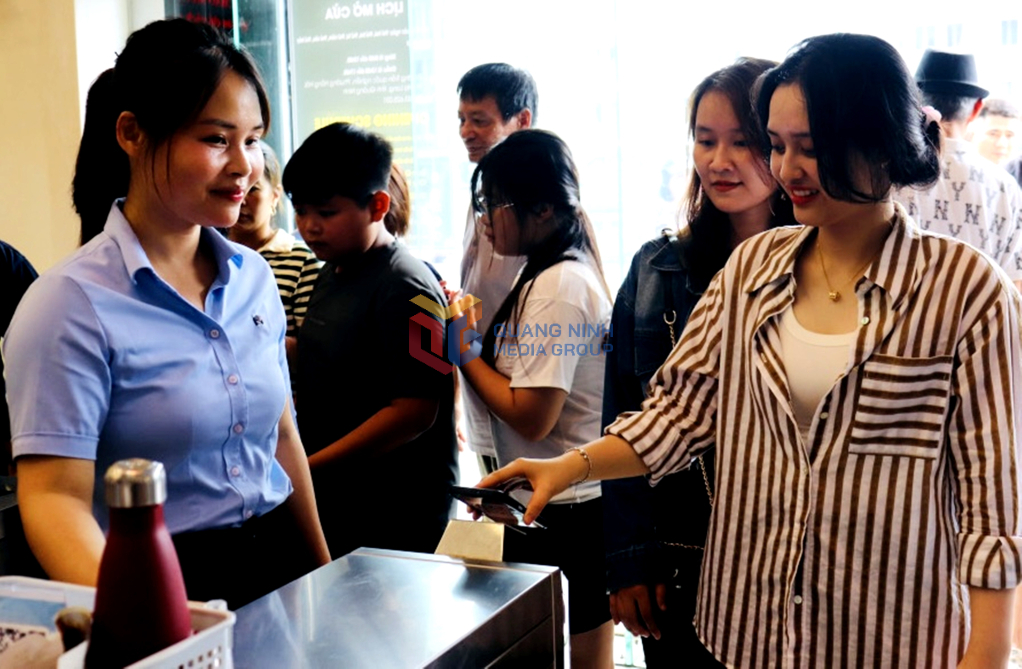
During the weekends, the grounds of Quang Ninh Museum are always bustling with locals and tourists. On average, around 10,000 visitors come here daily. Among the crowded visitors, instead of standing in line to buy tickets as before, many can simply open their phones, perform a few actions on the Zalo Mini App, complete the ticket purchase, payment, and scan the QR code to enter. Nguyen Thi Thuy, a visitor from Hanoi, shared: This is my second time visiting Quang Ninh Museum. Before, I had to wait quite a while to buy tickets, but now with e-tickets, it’s very convenient and quick, creating a comfortable feeling from the start of the visit. Not only does the e-ticket application shorten waiting times, but it also integrates multiple payment methods such as e-wallets and bank transfers, contributing to promoting cashless payments and enhancing service quality.
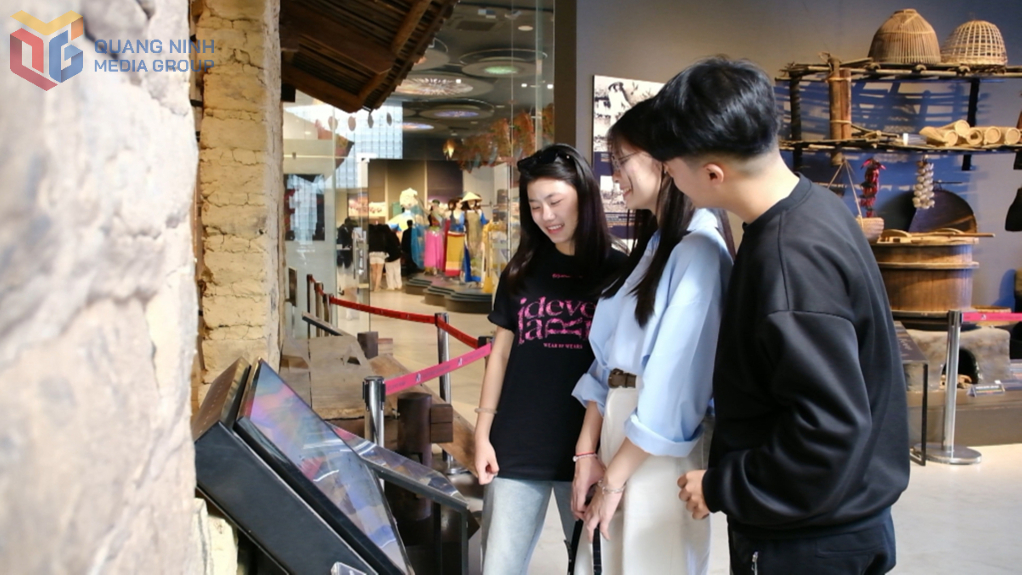
Visitor experiences are no longer confined to traditional display spaces. Through the website: baotangao.baotangquangninh.vn, the entire Quang Ninh Museum has been digitized using 3D technology, helping viewers anywhere to take a virtual tour with a realistic perspective. Additionally, interactive kiosks are positioned right at the welcome area to allow visitors to learn in advance about the display spaces, providing a sense of agency during the visit.
Behind these convenient experiences is the data digitization process that Quang Ninh Museum has been implementing for many years. To date, the unit has digitized over 10,000 documents and artifacts (in photo files, artifact background scans) out of over 25,000 documents and artifacts registered for management. Notably, in July 2025, the museum completed the digitization of all 12 national treasures being preserved, along with a replica of Buddha King Tran Nhan Tong. From this data source, 7,120 documents and artifacts have been integrated into the artifact management software of the Cultural Heritage Department, over 550 artifacts have been digitized in 3D model form and uploaded to the 3D Virtual Museum system. Furthermore, all survey images, technical drawings in the scientific records of rated relics and cultural heritage have also been digitized to serve long-term conservation, research, and exploration. The website disanquangninh.gov.vn continues to be maintained and updated regularly. In addition, the presentation infrastructure, touch screens, multi-point interactive systems, virtual reality (VR), and augmented reality (AR) technologies have been systematically invested in, providing dynamic experiences. Visitors can explore the Yen Tu relics and Ha Long Bay in virtual reality.
Mr. Do Quyet Tien, Director of Quang Ninh Museum - Library, stated: The unit continues to build the digital artifact database and the digital museum content management system, digitizing about 7,500 artifacts in groups corresponding to their value and extraction needs, creating image data, 3D models, audio explanations, and metadata. Alongside, there is the digitization of relics in the province, development of the 'Smart Tour - Quang Ninh Museum' application, implementation of 3D/VR online exhibition systems, and a Digital Operation Center (Museum Operation Hub), aiming to form a cohesive digital museum ecosystem.
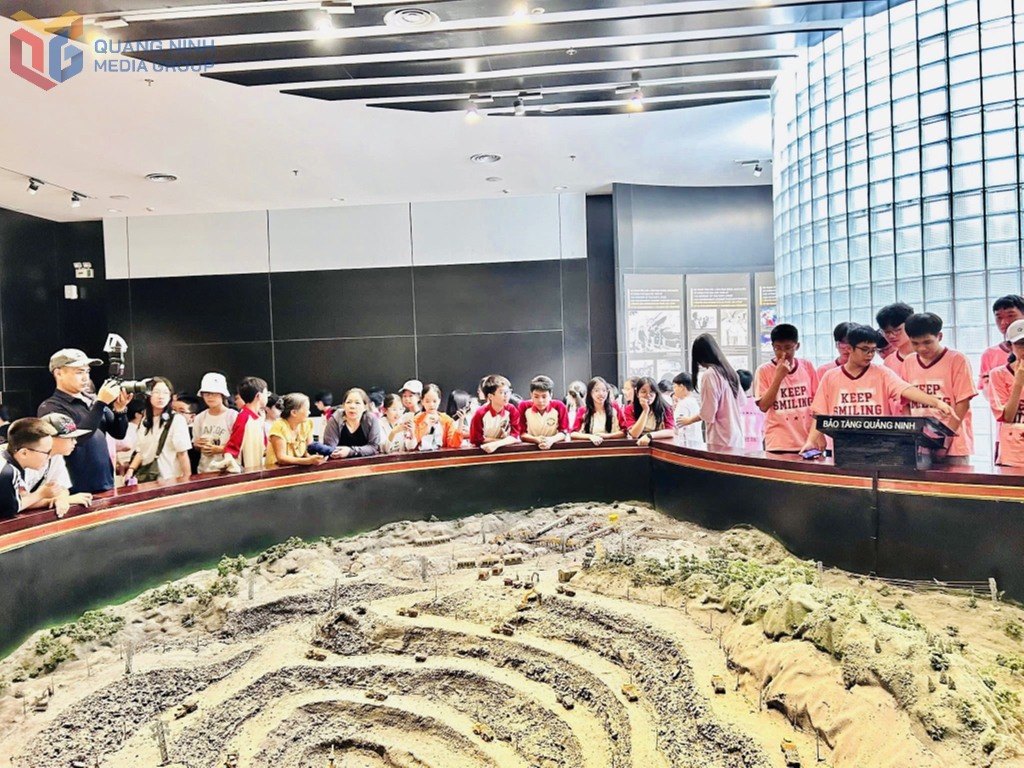
It can be said that Quang Ninh Museum is reinventing itself by leveraging digital transformation so that each visit is not only a journey to understand history but also an enjoyable experience, contributing to bringing heritage closer to the lives of locals and tourists.
Inspiration from every journey is where every trip beginsAnstay is ready to accompany you with a 5% discount for members.