Coto Tourism in the Trend of Sustainable Development
Attracting hundreds of thousands of visitors each year, in recent years, the special area of Coto has shown a remarkable appeal as a green, friendly island paradise in the northeastern coastal region of the nation. With its natural conditions favorable for tourism development, Coto must also face significant challenges. Understanding this will help the locality have better direction in the trend of sustainable development.
The new trend from the market

According to local assessments, tourists today tend to choose short trips, suitable for weekends, short holidays, family groups, young friends, unions, students, and small group travelers. The decision to travel is often made quickly, heavily influenced by weather, ticket prices, accommodation rates, social media reviews, and the convenience of booking services.
For Coto, this trend presents both opportunities and challenges. The opportunity is that Coto is part of a large tourism market in the North, which can strongly attract weekend travelers, family visitors, young travelers, and short-stay guests. The challenge is that if information about schedules, service prices, weather, accommodations, and experiential activities is not updated promptly, visitors may switch to other more accessible destinations.
Additionally, there is a trend that prioritizes safe, transparent destinations with risk management capabilities. After disruptions related to weather, transportation, tourism safety, and social media reflections, tourists are increasingly concerned about safety factors. For island destinations, aspects such as boats, bathing areas, rescue services, water-based recreational activities, weather, healthcare, fire safety, and order and security become important criteria in choosing a destination.
For Coto, this is a crucial requirement as the locality is an island line, heavily reliant on waterway transport, weather, and maritime activities. Tourists need to be provided with authoritative, clear, and timely information about schedules, weather warnings, safe bathing areas, hotlines, and competent service establishments, as well as contingency plans when incidents arise.

Modern tourists not only come for swimming, seafood, and taking photos but also seek unique experiences that have a story and evoke emotions. Products such as flag-raising ceremonies, experiences of fishing life, island exploration, sunrise and sunset, wellness tourism, green tourism, community tourism, local cuisine, and historical education about maritime sovereignty can create distinctive impressions for the destination.
For Coto, this potential is significant but needs to be organized into specific products, operated by responsible units, with itineraries, pricing, service standards, communication strategies, and connectivity with accommodation, transport, dining, and attractions.
Green tourism, environmentally friendly practices are also current trends. Accordingly, tourists, especially young groups, family travelers, and those with moderate spending levels, are increasingly concerned about the destination's environment. Images of clean beaches without plastic waste, green landscapes, energy-saving accommodations, minimizing single-use plastics, waste sorting, and nature-friendly behavior enhance competitiveness and affection.
Coto already has advantages in the orientation of being a “green island,” marine environmental protection, and reducing plastic waste. However, the pressure of waste during peak seasons, marine litter, wastewater, beach hygiene, public toilets, and the awareness of certain tourists and businesses still need better control.

Especially with the development of digital platforms, social media, short videos, reviews on Google Maps, TikTok, Facebook, travel groups, KOL/KOC, and feedback from tourists are directly impacting the destination's image. A good experience can spread quickly, but a negative commentary about prices, service attitude, hygiene, safety, schedules, or accommodation can significantly influence customers' decisions.
Therefore, Coto tourism communication today not only promotes beautiful images but also manages the destination's reputation, processes feedback quickly, offers transparent information, creates attractive digital content, and maintains a positive, trustworthy image in the eyes of tourists.
Competitive advantages and challenges
Coto has notable advantages in coastal scenery, beautiful beaches, fresh natural spaces, marine ecosystems, check-in points, and historical-cultural values related to maritime sovereignty. Destinations such as Hong Van, Van Chay, Love Beach, Con Co, the Ho Chi Minh Memorial Area, the Sovereignty Flagpole, islands, rocky shores, fishing villages, coastal routes, and community spaces provide a crucial foundation for developing unique coastal tourism.
Coto also enjoys the image of a safe, friendly destination suitable for family groups, young friends, state agencies, student groups, and short-term vacationers. Enhancing digital transformation, operating Coto Digital, tourism websites, digital maps, hotlines, and communication on social media platforms creates favorable conditions for improving tourists' access to information.

Moreover, the system of accommodations, restaurants, electric vehicles, transport boats, and tourism services in the area has formed relatively clearly and can serve a large number of guests during peak seasons if well organized, coordinated, and managed. According to statistics, Coto currently has 211 accommodation establishments with a total of 2,982 rooms, including 3 three-star hotels, 10 two-star hotels, 17 one-star hotels, 11 standard hotels, 50 guesthouses, 30 local housing establishments with rooms for tourists, and homestays.
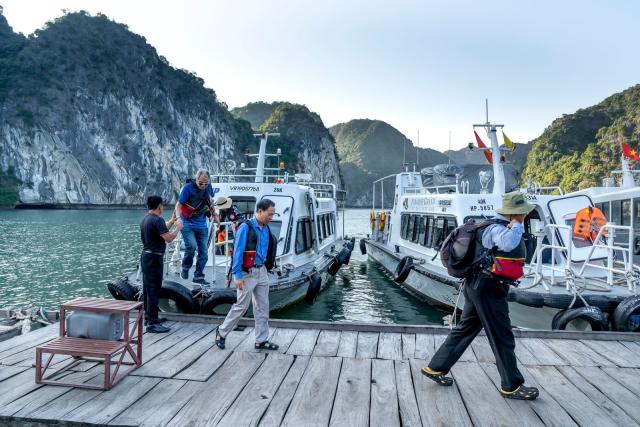
As for dining services, there are 563 food and beverage production, business, and trade establishments in the area. Currently, there are 29 speedboats operating routes from the mainland to Coto's islands, including the Coto - Van Don line, Coto - Vung Duc line, Thanh Lan - Ao Tien; 3 boats operating the Coto - Thanh Lan line; 3 traditional wooden and iron boats for transport of goods and passengers between Van Don and Coto; and 360 electric cars. The transportation system generally meets the transport demand under normal conditions and during peak times.
However, Coto is also affected by some unfavorable factors. The most noticeable is that access to the destination still greatly depends on speedboats, weather, waves, schedules, and transportation costs. When bad weather occurs or if boats temporarily stop operating, tourists' travel plans are easily disrupted, increasing anxiety when choosing a destination. Furthermore, the total cost of traveling to Coto is still higher compared to several other coastal destinations, including land travel costs, boat fares, accommodations, meals, electric vehicles, sightseeing, and additional service fees. In an environment where tourists are becoming increasingly price-sensitive, this factor directly affects destination choice.
In Coto, the tourism products are also not very diverse, failing to create many reasons for tourists to return multiple times. Tourism activities are still mainly concentrated on swimming, relaxing, enjoying seafood, checking in, and island sightseeing, while night tourism, off-peak season tourism, community tourism, marine cultural experiences, ecological tourism, and wellness tourism remain unclear. The service quality among establishments is not consistent. Some operate seasonally, are not professional in service, feedback handling, customer care, digital platform use, foreign languages, communication, and building unique brands.

Furthermore, the cooperation in service chains remains weak. The connection between shipping companies, accommodations, restaurants, electric vehicles, attractions, tour organizing entities, communication, and authorities has not truly formed cohesive products, combos, unified itineraries that are convenient and competitive. Supporting infrastructure for tourism still needs further improvement, especially public toilets, washing stations, parking lots, resting areas, signposts, warning signs, garbage collection points, temporary berths for island tours, and customer pick-up and drop-off areas at some attractions and beaches. Although there has been some change in destination communication, it has not yet formed a strong, innovative, and widespread enough campaign...
Thus, it can be seen that Coto remains a strong maritime destination in the Northern region, especially during the summer, holidays, weekends, and for domestic tourists. However, the advantage of natural resources is no longer sufficient to create sustainable competitive strength unless transformed into specific products, professional services, a safe environment, transparent pricing, effective communication, and unique experiences. In the context of new competition, Coto needs to shift from the mindset of “having beautiful resources, so tourists will come” to “professionally managing the destination so tourists want to come, feel safe in coming, be satisfied when visiting, and want to return.”
Inspiration from every journey is where every trip beginsAnstay is ready to accompany you with a 5% discount for members.