Connecting Heritage Journeys
In the sustainable tourism development strategy of Quang Ninh, linking heritage areas not only expands the experience space but also creates deep tourism products, enhancing the destination's value.
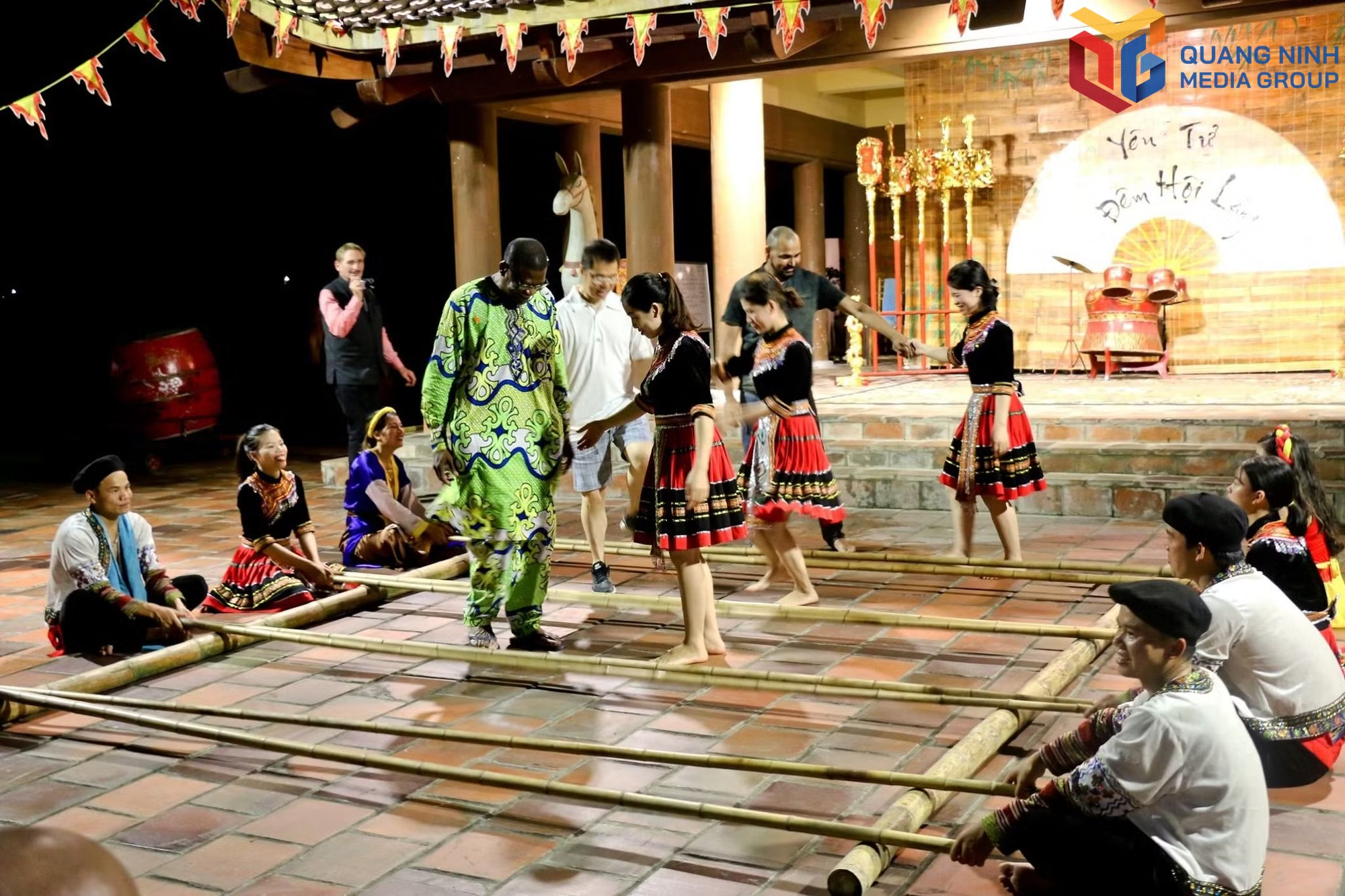
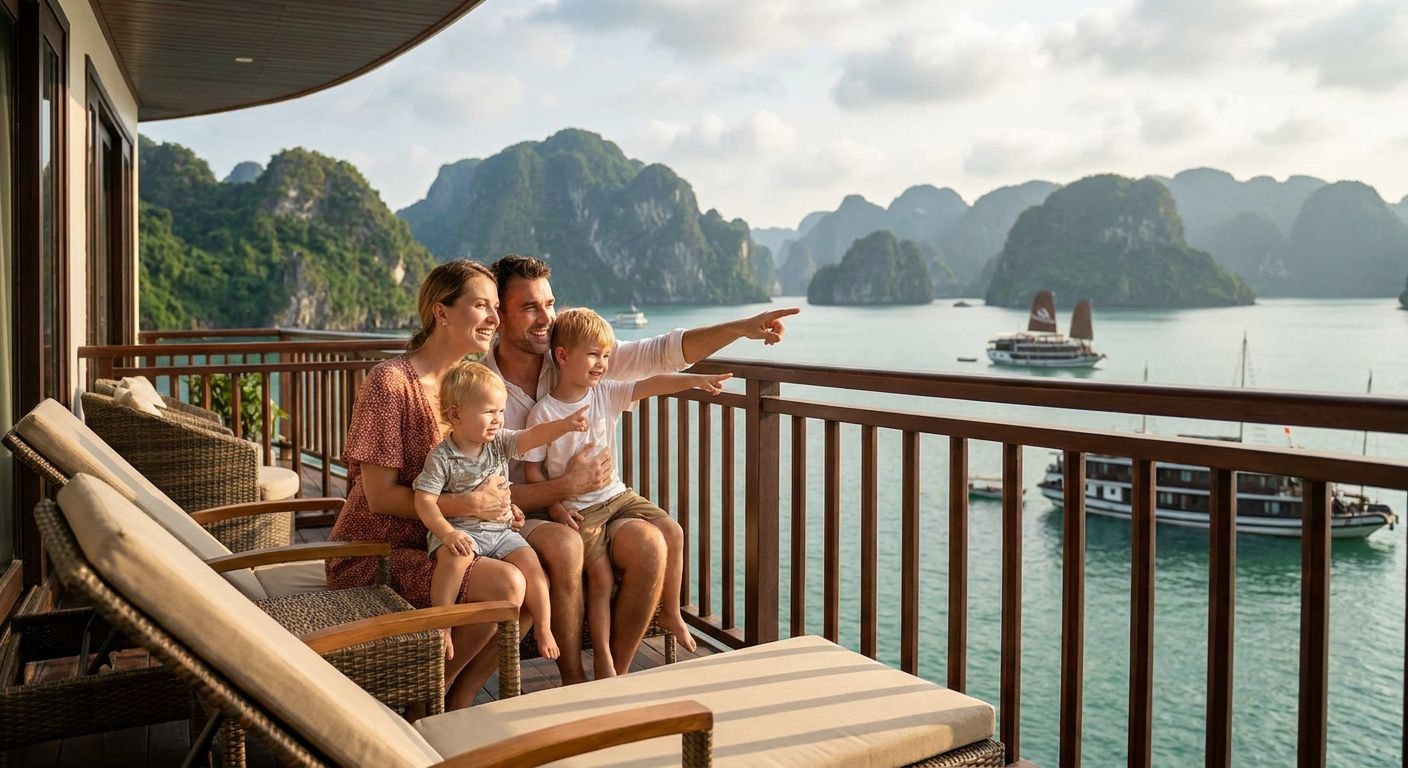
Centering around the UNESCO World Natural Heritage site of Ha Long Bay, the Quang Ninh tourism sector has developed expanded sea and island tour routes by launching tourism services from Ao Tien premium harbor to Bai Tu Long Bay. Starting in 2024, Quang Ninh will announce 10 tour routes on Bai Tu Long Bay along with 3 routes connecting Ha Long Bay and Bai Tu Long Bay. This journey combines natural tourism, cultural and spiritual exploration, ecological tourism, and experiences of cultural, historical, and beach relaxation values in the special area of Van Don.
Recently, Quang Ninh opened a tourism route connecting Ha Long Bay (Quang Ninh) - Lan Ha Bay (Hai Phong) with 2-day 1-night and 3-day 2-night itineraries, creating stable, high-quality inter-regional products. The tourist space is expanded, experiences are elevated, and tourist spending and length of stay are increased.
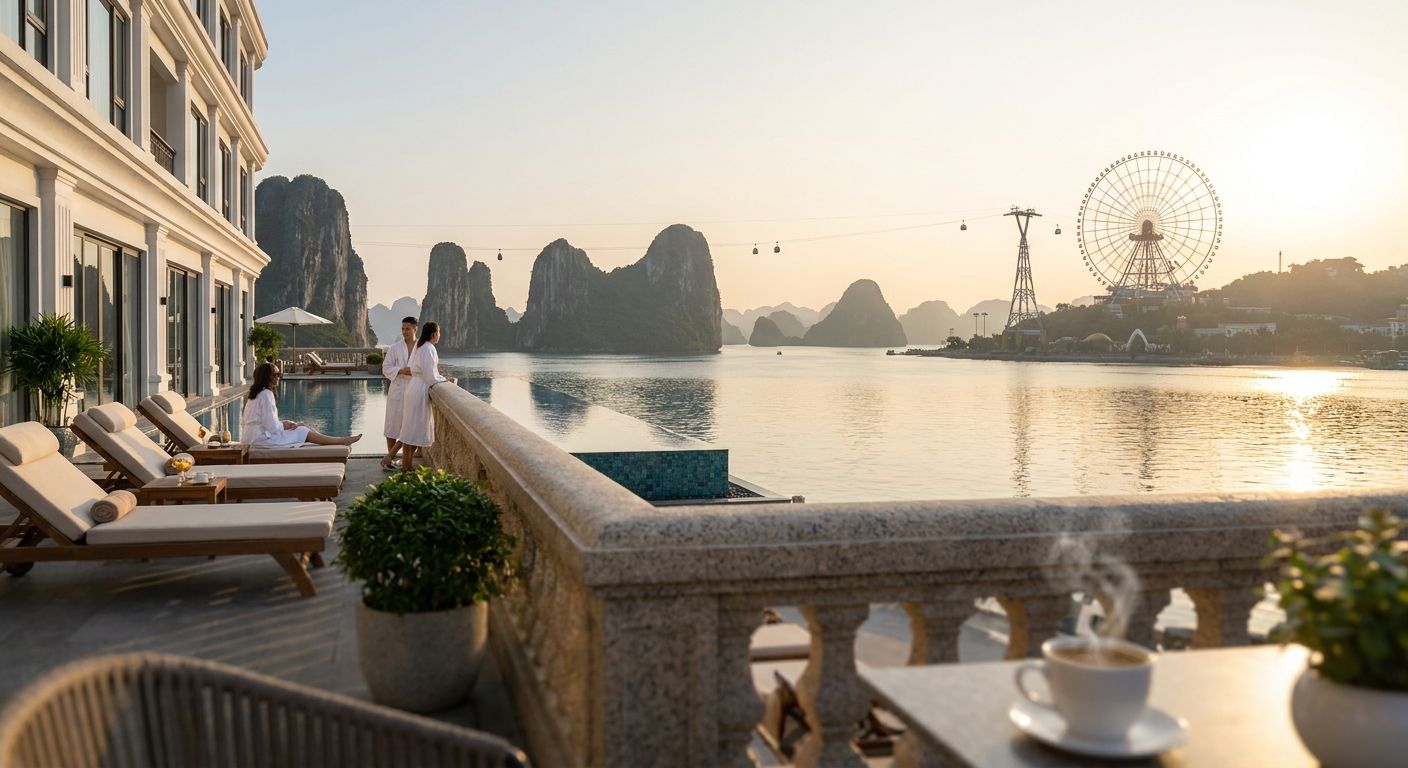
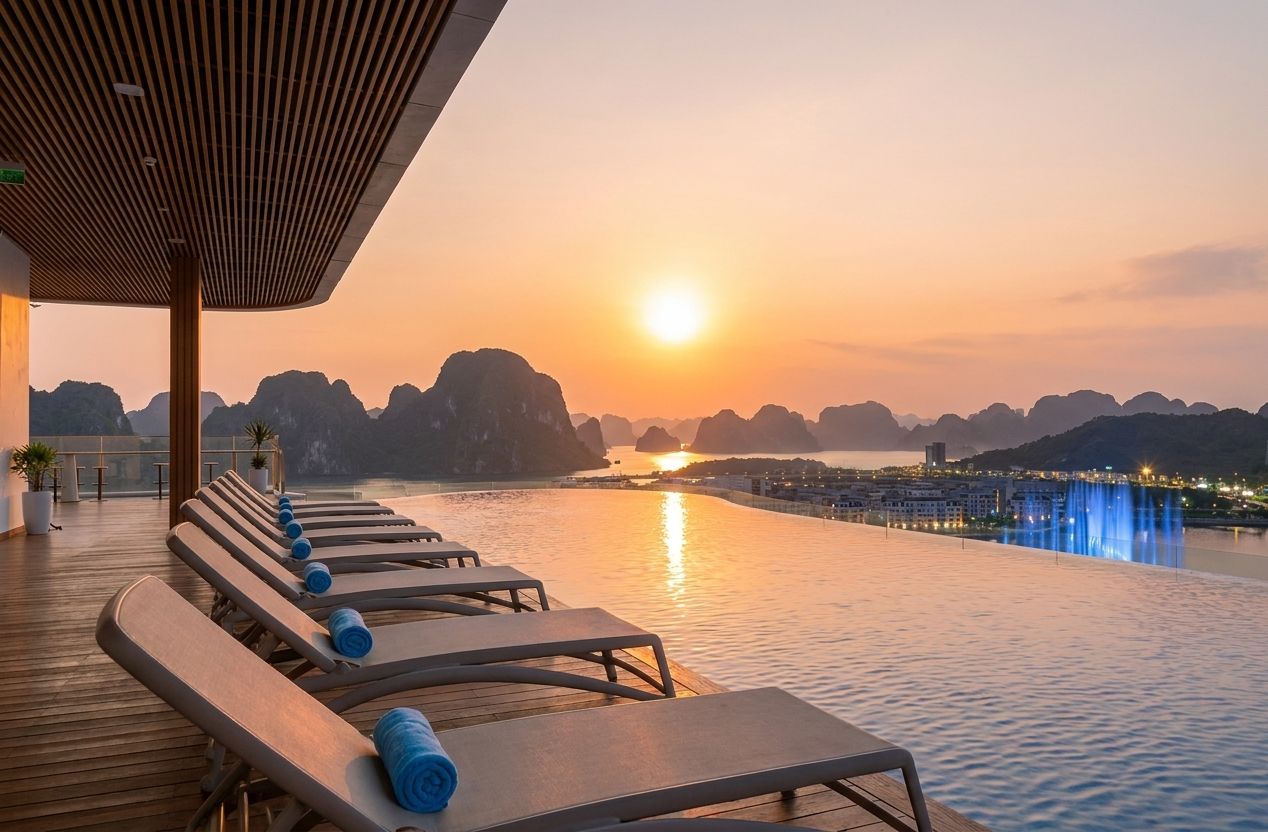
With its rich heritage system, Quang Ninh possesses the UNESCO World Natural Heritage site Ha Long Bay and the Yen Tu scenic area within the Yen Tu - Vinh Nghiem - Con Son, Kiep Bac World Cultural Heritage site. This opens up a connecting space between natural heritage and cultural-spiritual heritage. Currently, the journey between the two World Heritage sites of Ha Long Bay and Yen Tu has received positive feedback from tourists. Ha Long Bay has a diverse range of products, from cave tours, kayaking, exploring fishing village life to overnight cruises, restaurant boats, and helicopter sightseeing.
In 2025, the bay expects to welcome over 3.5 million visitors, with direct admission revenue exceeding 1 trillion VND. Meanwhile, Yen Tu stands out with cultural-spiritual tourism while expanding into meditation, wellness, relaxation, and products that recreate traditional cultural spaces. More than 3 trillion VND in socialized capital has contributed to the new look of this tourism complex.
Notably, after being recognized by UNESCO, Yen Tu's appeal is rapidly increasing. In just the first four months of 2026, the heritage site welcomed over 1 million visitors, more than double the same period last year. Along with the effect of the international title, the policy of free admission until the end of 2028, and synchronized investments in infrastructure and management technology are providing additional momentum for Yen Tu to expand its market.
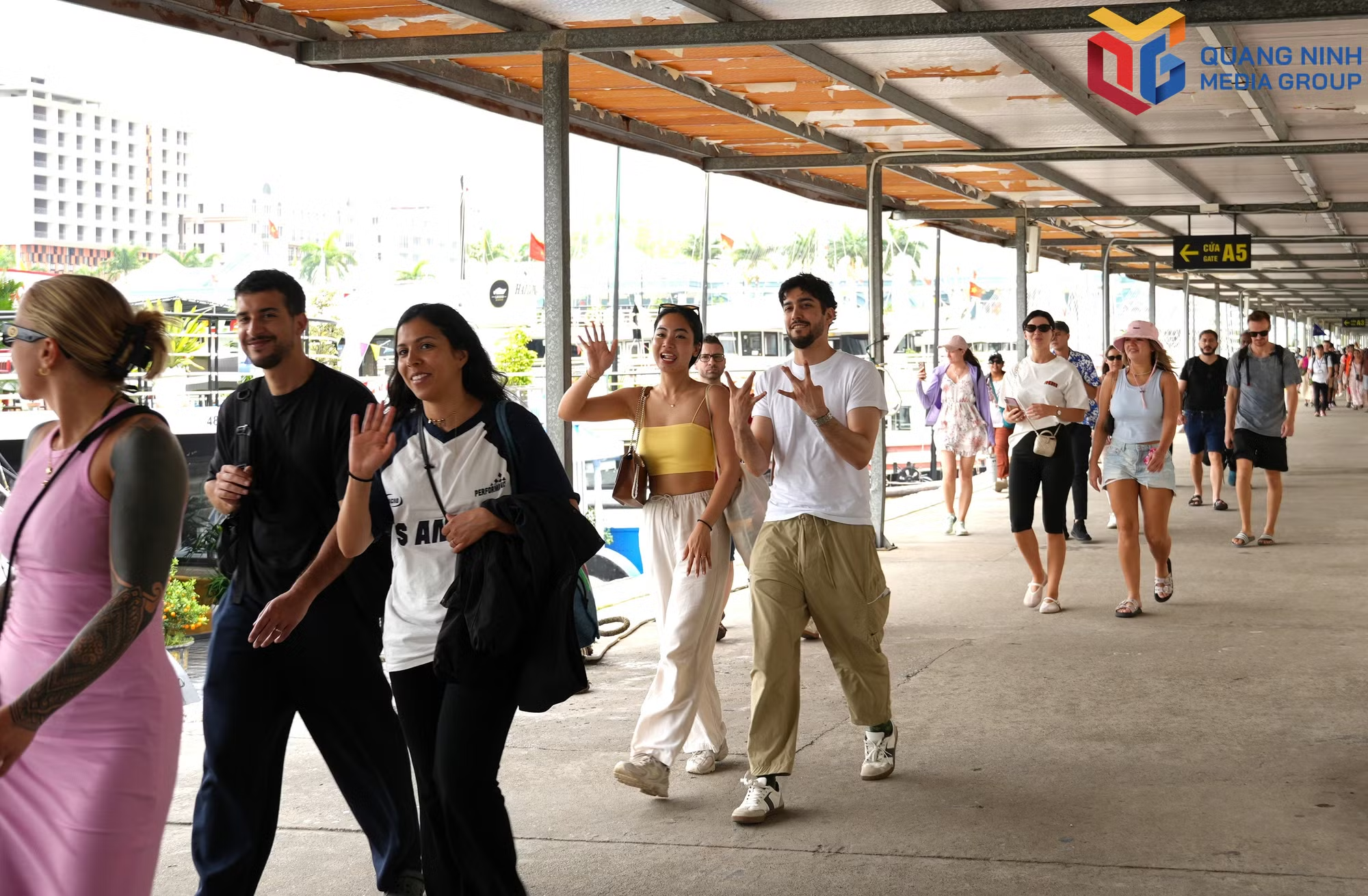
One of the initial products that realize this idea is a 3-day 2-night journey created by Tùng Lâm Development Joint Stock Company, combining relaxation at Legacy Yen Tu and experiences on the Paradise Vietnam cruise. The highlight is not just merging two destinations but in how the business creates a seamless experience, from sea to mountain, from nature to culture, from relaxation to wellness.
According to Mr. Dao Tung, Deputy Director of Tùng Lâm Development Joint Stock Company, the enterprise is focused on completing the product connecting the two heritages, emphasizing experiences in nature, culture, and history; while also linking with travel businesses both domestically and internationally, studying the needs of each customer segment, especially the high-end segment.
The market is also showing positive signals. Travel businesses assess the story about Yen Tu, Truc Lam culture, and the combination with Ha Long has a unique attractiveness to international tourists, especially the European market—groups that often seek local experiences, cultural depth, and distinct journeys.
According to Dr. Nguyen Van Anh, Head of the History Department at the University of Social Sciences and Humanities, Vietnam National University, Hanoi, with the heritage system in Quang Ninh, the locality can exploit at least two different aspects. First, Yen Tu - the Tran dynasty is a connecting story related to Truc Lam Buddhism, intertwining the two elements of the Tran Dynasty and Truc Lam. Second, with Bach Dang, the tour can connect the historical battlefield of Bach Dang from one side of Quang Ninh to the Luu Kiem, Luu Ky, Trang Kênh areas of Hai Phong, and Thien Long Uyển in Hoang Que Ward (Quang Ninh City). This approach can be similarly applied to relic sites in Bac Ninh and Hai Phong as well as connecting spaces between the three provinces in the heritage area.
Further down the line, the Ha Long - Yen Tu axis can become the nucleus to expand the route network to Con Son - Kiep Bac, Vinh Nghiem, Cat Ba, and other heritage spaces in the region. This is also a suitable orientation with the goal of building an inter-regional heritage ecosystem, making heritage economy an important component of the creative economy. By 2030, Quang Ninh aims to develop many new products, digitize heritage data, monitor the carrying capacity at tourist spots, promote ecological tourism, circular economy, and green transportation; while enhancing revenue from tourism activities and services linked to heritage.
However, connecting for development demands better preservation. With Ha Long Bay - Bai Tu Long, every new product must be placed within the limits of the ecosystem's carrying capacity, protecting landscapes and biodiversity. With Yen Tu, tourism development must maintain its original character, tranquility, and depth of Truc Lam Buddhist space. Therefore, the ultimate goal of the tourism sector is not to bring as many people as possible to a heritage site but to create more value from each journey without diminishing the value of the heritage.
Keywords:
Inspiration from every journey is where every trip beginsAnstay is ready to accompany you with a 5% discount for members.